Your Customers Are Already Asking for It.
Three forces converge on the same product: a module that knows what is happening to it.
Failing bypass diodes are among the top fire risks in PV — and homeowners know it. DiodeVital watches every diode in every module, continuously. That is a safety feature on your datasheet, answered every 15 seconds.
Intelligence is moving into every product — modules included. But AI without module-level data is guesswork. A SunSniffer-equipped module feeds real measurements to real analytics: TrueSTC, DiodeVital, Ray, IEA PVPS classification.
Utility-scale EPCs and institutional owners look past the flash test. A module that documents its own field performance gets specified, gets preferred, and gets onto procurement shortlists that commodity modules never reach.
Patented. And Probably the Most Cost-Effective Module Intelligence Available.
No microinverter economics. No extra wiring. No new data network. The intelligence rides on hardware the module already has.
The most innovative manufacturers — including leading Chinese producers — are already moving toward embedded intelligence. It gets specified. It gets preferred. It sells to homeowners on safety and to institutions on proof.
A Smarter Module. The Same Production Line.
One defined production step. A permanently differentiated product.
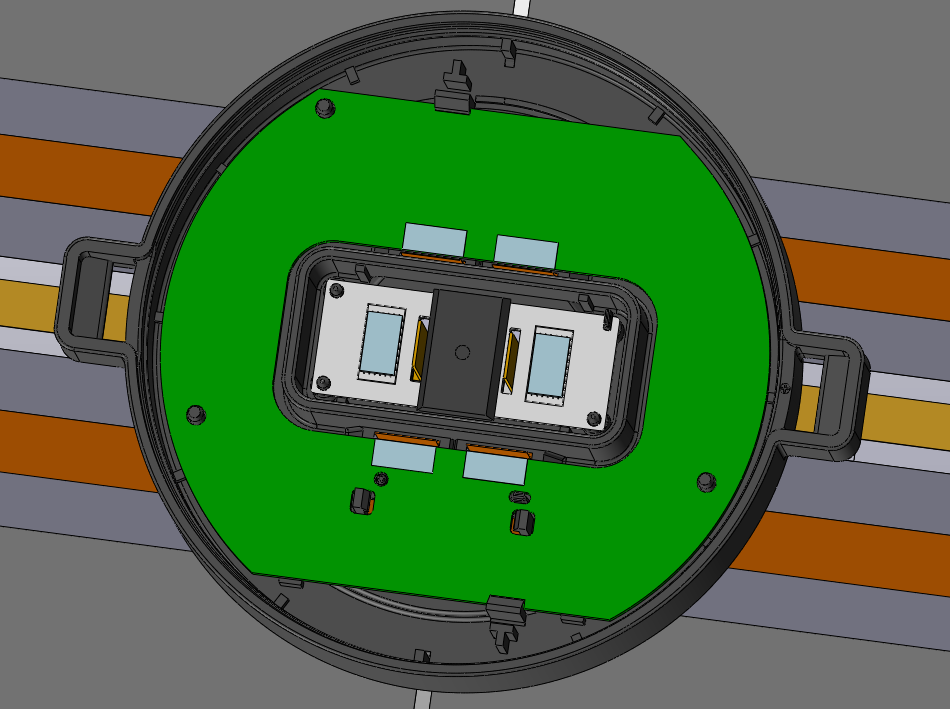
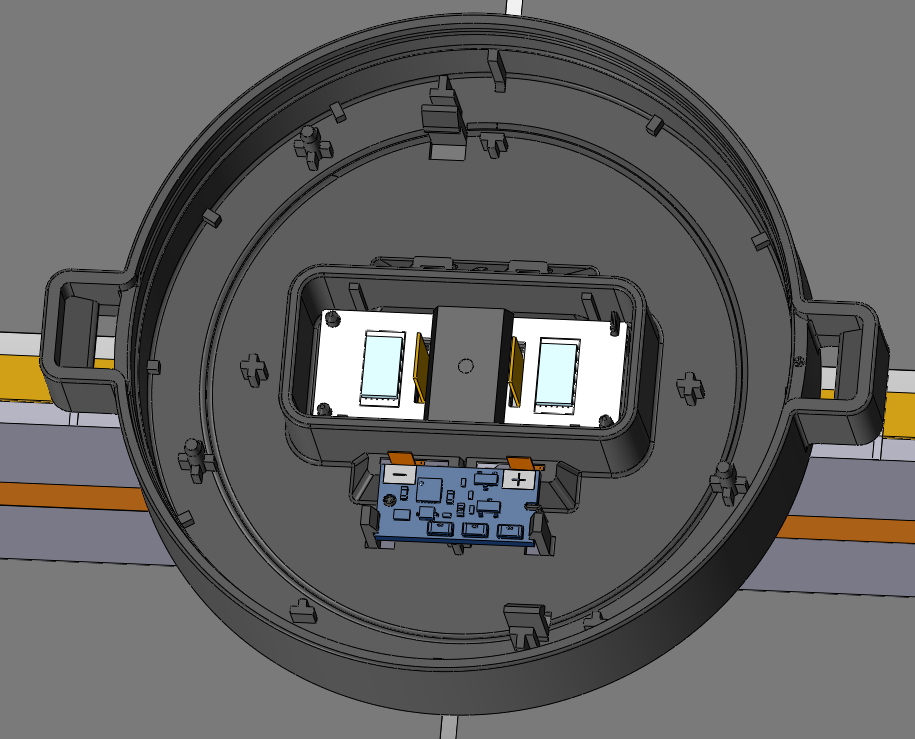
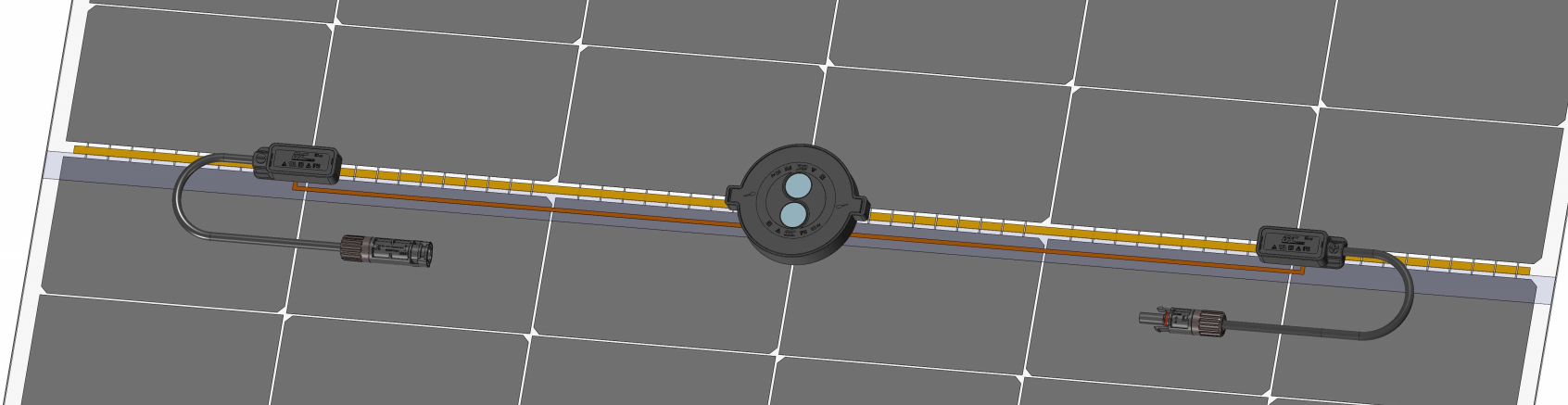
The SunSniffer sensor is 10 × 20 mm — designed specifically for the QC Solar junction box, currently the qualified integration partner for this design. The module itself requires one defined modification: a small bus connection from the outer poles (plus and minus) so the sensor can measure voltage across the full module. This is a fixed, repeatable step in the assembly process, done once during production.
The RSD variant builds compliant rapid shutdown directly into the junction box — no additional box on the roof, no extra RSD cabling, monitoring included at no meaningful additional cost. One integration. Both requirements covered — far cheaper than retrofit.
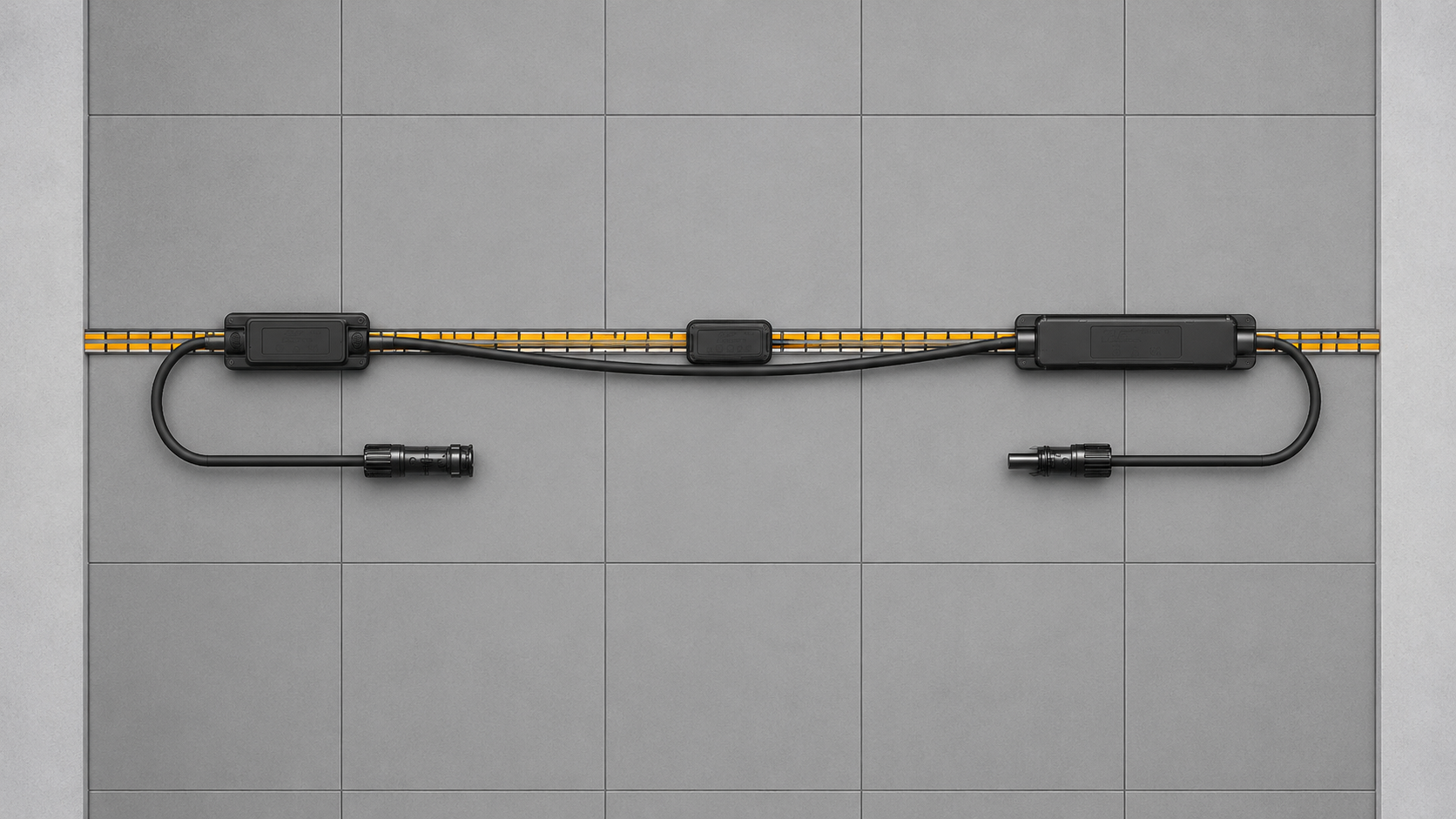
Two Ways to Integrate the Sensor into the Module.
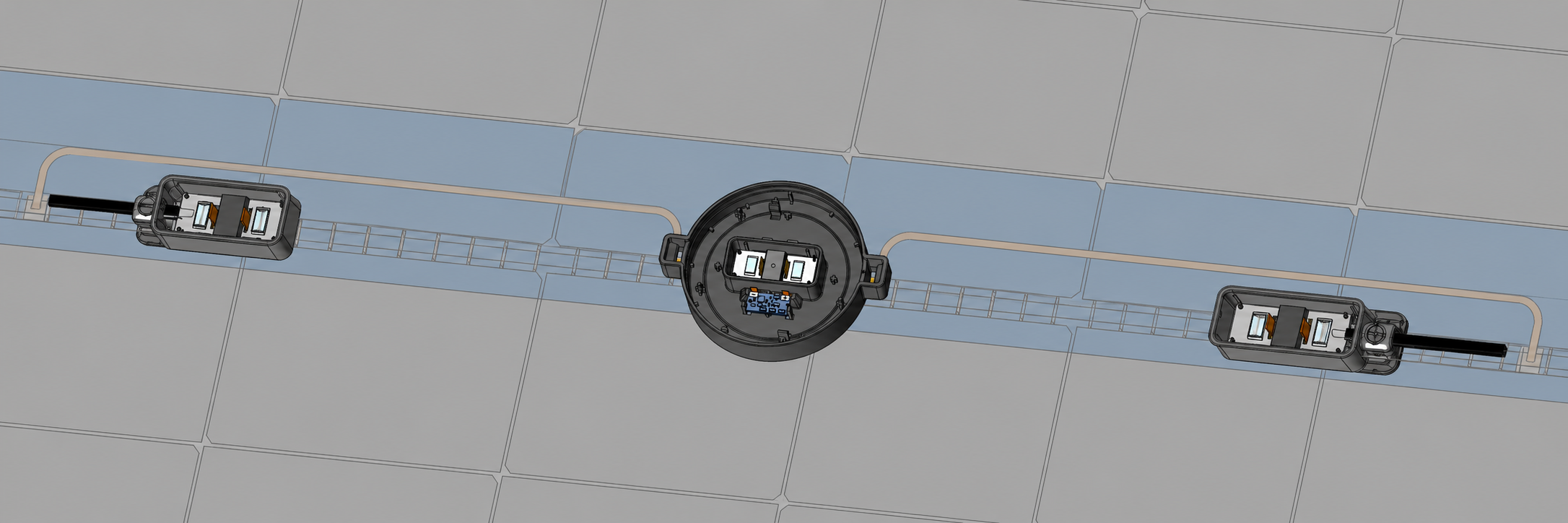
Today's standard module carries a split junction box — three boxes, three diodes. The sensor needs a connection between + and − to measure module voltage, and there are two clean ways to give it one.
Three Ways to Build a Business Around Module Intelligence.
Choose the model that fits your go-to-market.
TrueSTC Turns Field Performance Into Your Next Warranty Model.
The honest objection: field data reveals degradation rates you might not want to see. The dynamic answer: stop warranting every module alone — warrant the plant.
Every manufacturer knows it: modules scatter. Some come in better than the datasheet, some worse. Today that scatter is invisible — and every single module is a potential individual claim.
With module-level data you can flip the logic: guarantee the total STC value of the plant. Some modules over, some under — in total, it fits. One fleet-level promise instead of thousands of individual ones. Backed by measurement, not by dispute.
Whoever offers the first data-backed warranty defines the category. Transparency stops being your risk — it becomes the product only you can sell.
Warrant the summed STC value of the delivered fleet, tracked continuously with TrueSTC against the agreed baseline. Individual scatter averages out; warranty reviews use a shared module-level performance record.
Keep a stake in your modules after they leave the factory: warranty + monitoring + service as a subscription. Production margin once, field revenue for 25 years.
With AI and module digitalization, warranty terms can follow measured risk — per plant, per climate, per batch. Monitored fleets give insurers the evidence base for differentiated terms.
One Integration. Every Major Market.
A legal requirement, not a preference: mandatory for rooftop systems. The SunSniffer RSD variant satisfies it while adding full module-level monitoring — built directly into the junction box.
This demand is not regional. Europe, Asia, the Americas, the Middle East — institutional buyers everywhere are asking for module-level performance data, IEA-aligned documentation and AI-driven analytics. SunSniffer's platform directly addresses bankability and procurement requirements in all of them.
Start With a Pilot. Scale From There.
SunSniffer works with manufacturing partners through a structured process — from sample evaluation to production qualification to volume supply.